Boiling, filtering and tablets — how to purify water when the supply fails.
When stored water isn't enough
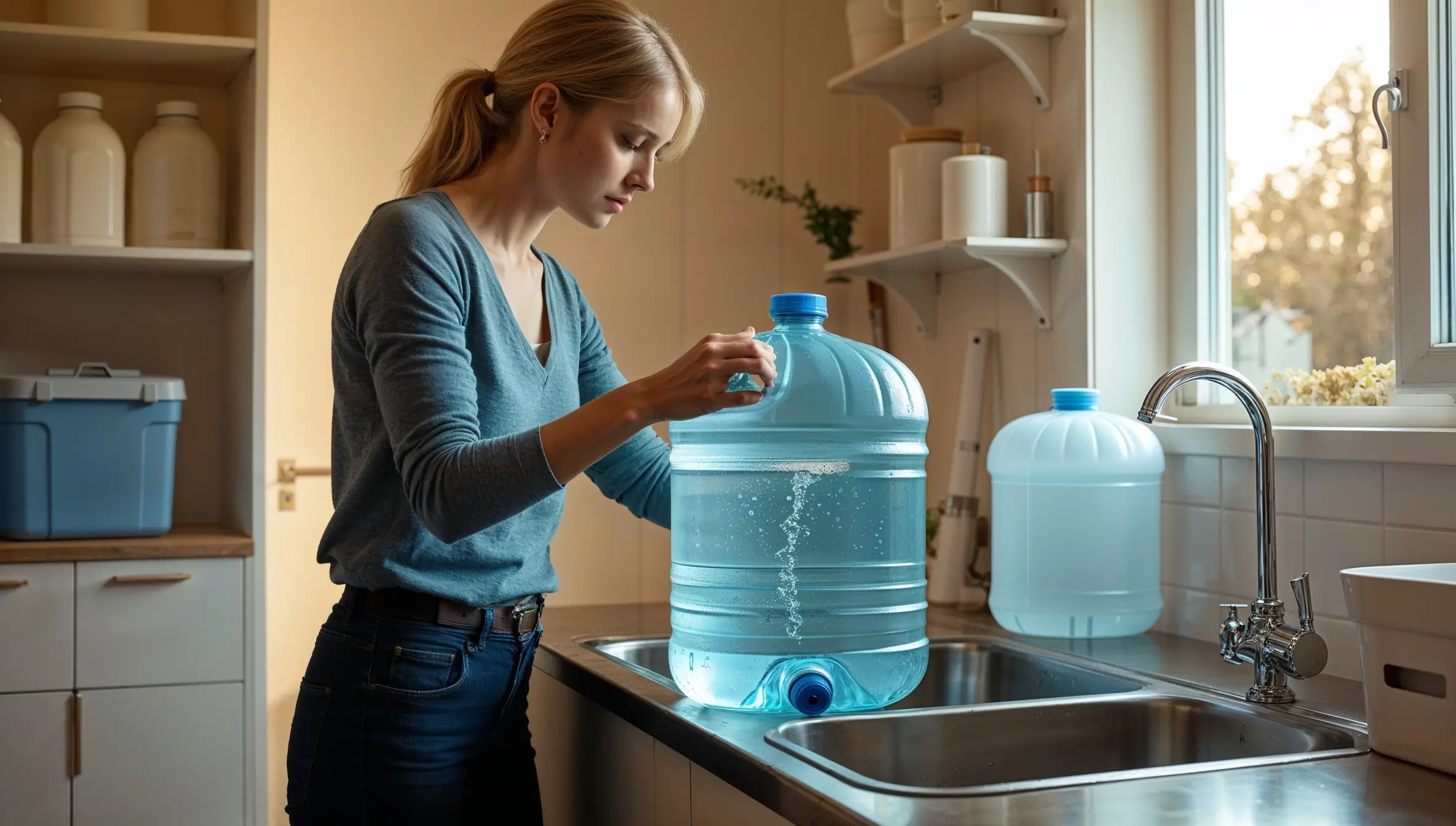
Good preparedness starts with storing clean water at home — and if you've done that, you're already ahead of most people. But storage has limits. A week's supply for a family of four is around 60 to 80 liters, and if the disruption lasts longer, or if you need to evacuate and can't carry much, you'll eventually need to source and purify water from your surroundings.
Knowing how to make water safe to drink is a fundamental preparedness skill. It's not complicated, but it does require understanding which methods work, what they protect against, and when to combine them. The stakes are real: waterborne illness from bacteria, viruses, or parasites can turn a manageable crisis into a medical emergency, especially for children and the elderly.
Where to find water
Rivers, streams, lakes, and collected rainwater are the most common natural sources. In an emergency, any of these can be used — but never for drinking without treatment first. Even crystal-clear mountain streams can carry giardia, cryptosporidium, and other pathogens that cause severe gastrointestinal illness. Appearance is not a reliable indicator of safety.
During contamination events — chemical spills, industrial accidents, or in the unlikely case of nuclear fallout — natural water sources may not be safe even after purification. In those situations, follow the specific guidance from authorities (DSB, the municipality, or NRK broadcasts). Standard purification methods handle biological threats, not chemical or radiological ones.
Your home's hot water tank is often overlooked as an emergency source. A typical Norwegian tank holds 100 to 200 liters. In an emergency, you can drain it by turning off the power supply to the heater and opening the drain valve at the bottom. This water is fine for washing, cooking pasta, and basic hygiene. However, it's not ideal for direct drinking without treatment, as the tank can accumulate sediment and metal traces over time. Treat it as a valuable backup for non-drinking needs, or boil it as an extra precaution.
Boiling: the most reliable method
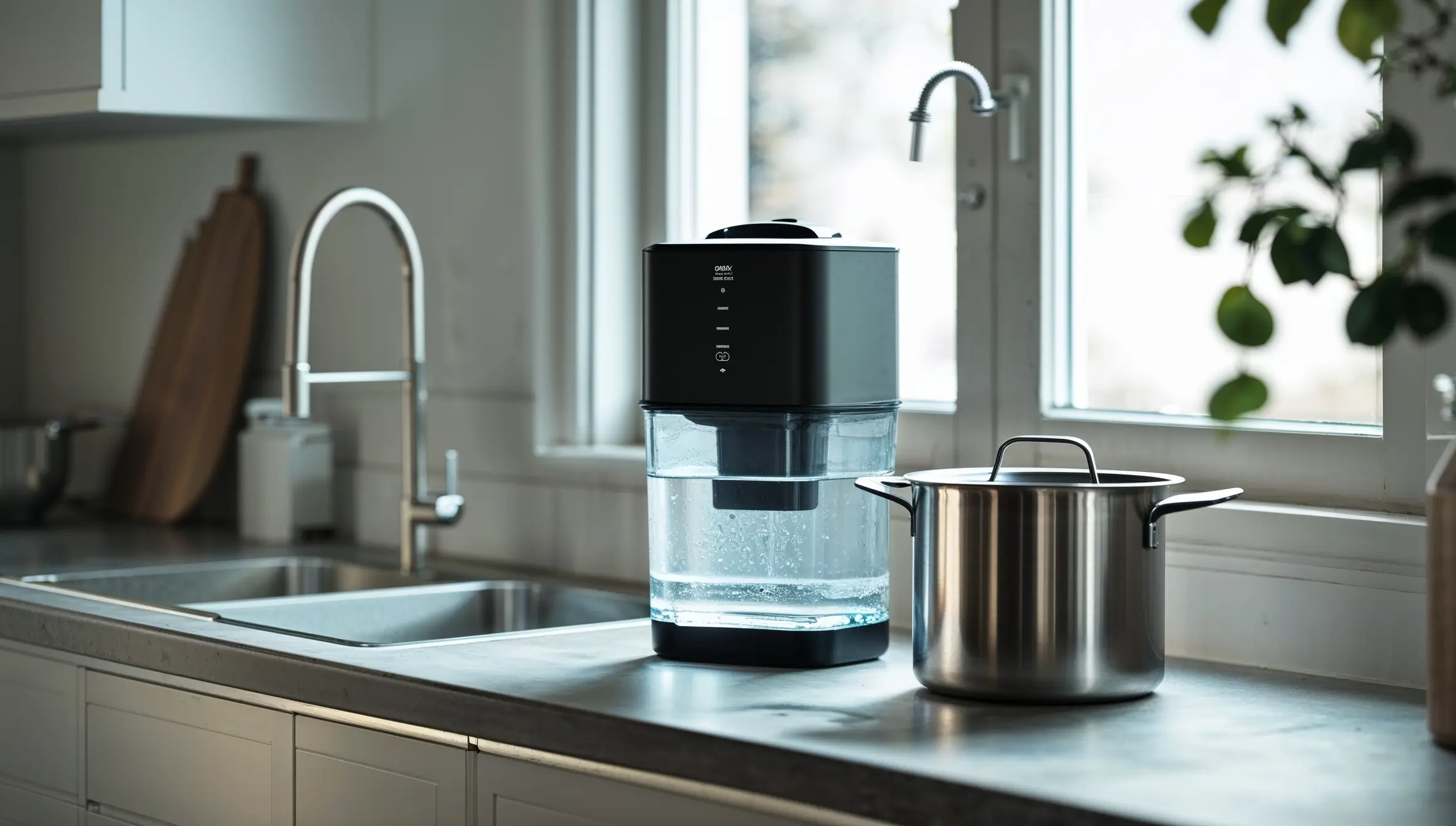
If you can make fire, you can make safe water. Boiling is the oldest, simplest, and most universally effective purification method available. Bringing water to a rolling boil for at least one minute kills virtually all bacteria, viruses, and parasites. At higher altitudes (above 2,000 meters), extend this to three minutes, since water boils at a lower temperature.
The main limitation is that boiling doesn't remove chemical contaminants — heavy metals, pesticides, or industrial pollutants stay in the water. It also requires fuel, which may be limited in a prolonged emergency. A camping stove, a wood fire, or even a gas burner will do the job. If the water is murky, let it settle first and pour off the clearer water from the top, or pre-filter through a clean cloth to remove sediment before boiling.
Boiled water tastes flat because the dissolved oxygen has been driven off. You can improve this by pouring it back and forth between two clean containers a few times, which re-aerates it. It's a small thing, but when you're living on purified water for days, taste matters for morale and hydration.
Purification tablets
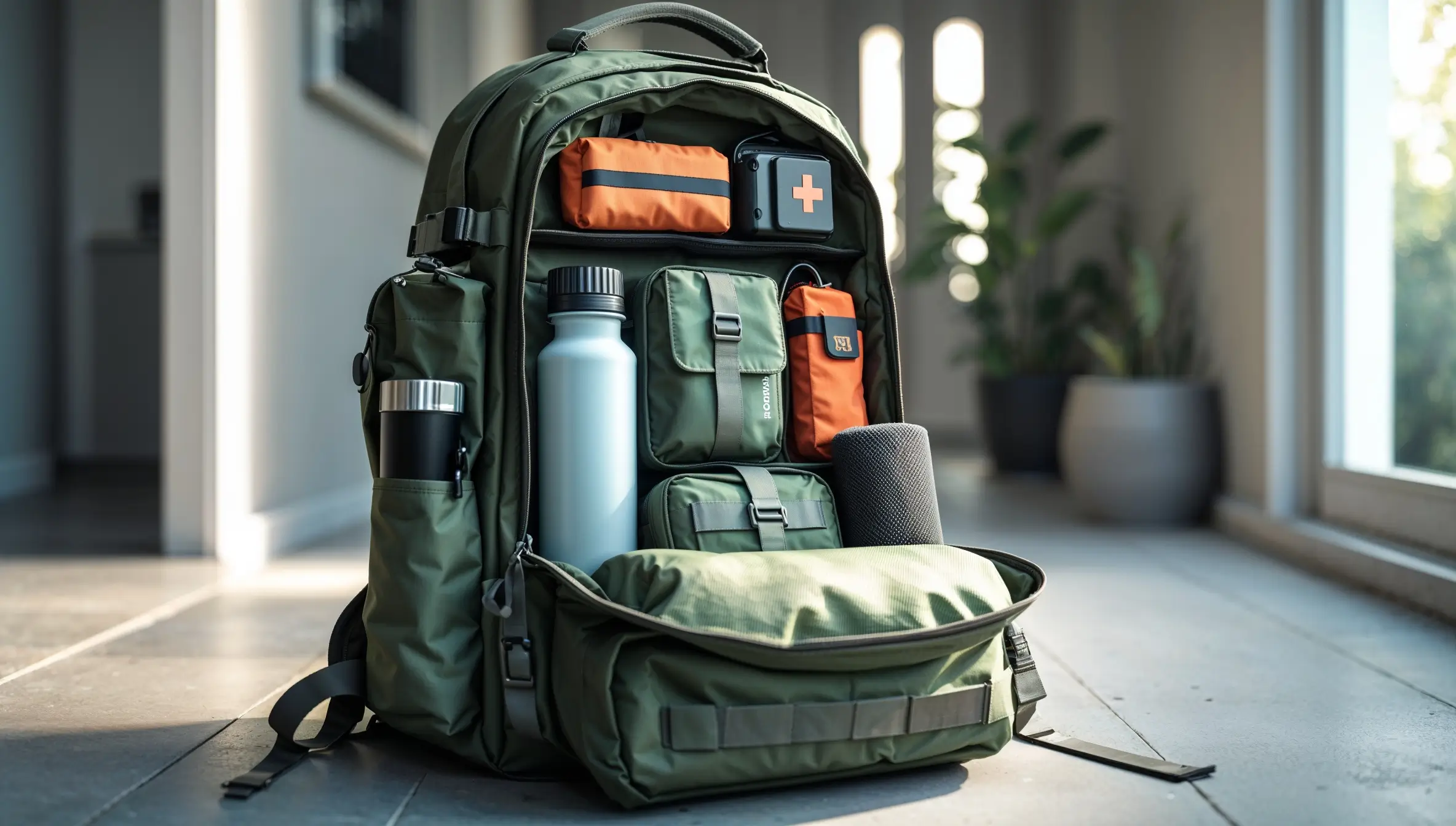
Chlorine and iodine purification tablets are lightweight, inexpensive, and available at any outdoor or camping store. They're an excellent option for your grab bag or as a backup to boiling. Drop the tablet into your water container, wait the specified time — usually 30 minutes for chlorine-based tablets — and the water is safe from most biological contaminants.
There are a few things to keep in mind. Tablets work less effectively in very cold or very murky water. If the water is visibly cloudy, pre-filter it through a cloth or coffee filter to remove particulate matter before adding the tablet. Some tablets leave a noticeable taste. Chlorine dioxide tablets (like Katadyn Micropur) tend to produce a milder flavor than older iodine-based options.
Iodine tablets are not recommended for pregnant women, people with thyroid conditions, or for long-term use beyond a few weeks. Chlorine dioxide is generally considered safer for extended use. Check the packaging for specific guidance, and store tablets in a cool, dry place to preserve their shelf life.
Portable filters
Pump filters, gravity filters, and squeeze filters are popular among hikers and increasingly common in household preparedness kits. They physically remove bacteria and parasites by forcing water through a fine membrane or ceramic element. Good-quality filters handle the vast majority of biological threats and produce clean water with no waiting time and no chemical taste.
Quality varies significantly, however. Not all filters remove viruses, which are much smaller than bacteria. In Nordic countries, where waterborne viruses are relatively uncommon in natural sources, a bacteria-and-parasite-rated filter is generally sufficient for wilderness water. But if you're purifying water during a sewage contamination event or in an area with known viral risk, look for a filter rated against viruses as well, or combine the filter with a chemical treatment step.
Filters have a finite lifespan, measured in liters processed. Track your usage and replace the cartridge or element when recommended. A clogged or exhausted filter gives a false sense of security. Keep the filter clean, store it dry between uses, and bring it along in your grab bag if you might need to evacuate.
UV treatment
Ultraviolet light disrupts the DNA of microorganisms, rendering them unable to reproduce and cause illness. Devices like the SteriPEN use UV-C light and can treat a liter of water in about 60 to 90 seconds. They're fast, effective against bacteria, viruses, and parasites, and leave no chemical aftertaste.
The trade-offs are worth understanding. UV treatment requires clear water — turbidity blocks the light and reduces effectiveness. If the water is cloudy, pre-filter it first. The devices run on batteries or USB-rechargeable power, which means you're dependent on having energy available. In a prolonged outage, that's a real constraint. Treat UV purification as a convenient complement to other methods rather than your sole line of defense.
What not to do
A few common mistakes are worth flagging because they come up repeatedly. Don't drink untreated water, no matter how clear or cold it looks. Pathogens are invisible. Don't assume that running water is safer than still water — it's a widespread myth with no basis. Don't use water from a home heating system (radiators, underfloor heating loops) for drinking. These closed systems contain stale water that may include rust, antifreeze, or chemical additives.
Don't rely on a single method if you're unsure about the source. Combining methods — for example, filtering first, then adding a purification tablet — provides layered protection and significantly reduces your risk. This is especially relevant when you're dealing with water from an unfamiliar source or after flooding, when contamination levels can be unpredictable.
Combining methods for maximum safety
No single purification method is perfect in all conditions. Boiling handles biology but not chemicals. Filters handle bacteria and parasites but may miss viruses. Tablets handle most biology but struggle with murky water. The strongest approach is to combine two complementary methods based on what you have available and the nature of the water source.
A practical combination for most situations: pre-filter through a cloth to remove debris, then boil. If you can't boil, filter and follow with a purification tablet. If you have a UV device, use it on pre-filtered water and add a tablet if you're uncertain about viral contamination. Layering methods this way covers gaps that any single method leaves open.
Think of water purification the same way you think of other preparedness topics: know multiple approaches, practice them before you need them, and adapt to the situation rather than relying on a single solution.
Next step
Log your water purification supplies in Min Beredskap — tablets, filters, UV devices, and fuel for boiling. The app helps you track quantities, expiration dates, and filter lifespan so you know your household is covered when the tap stops running.