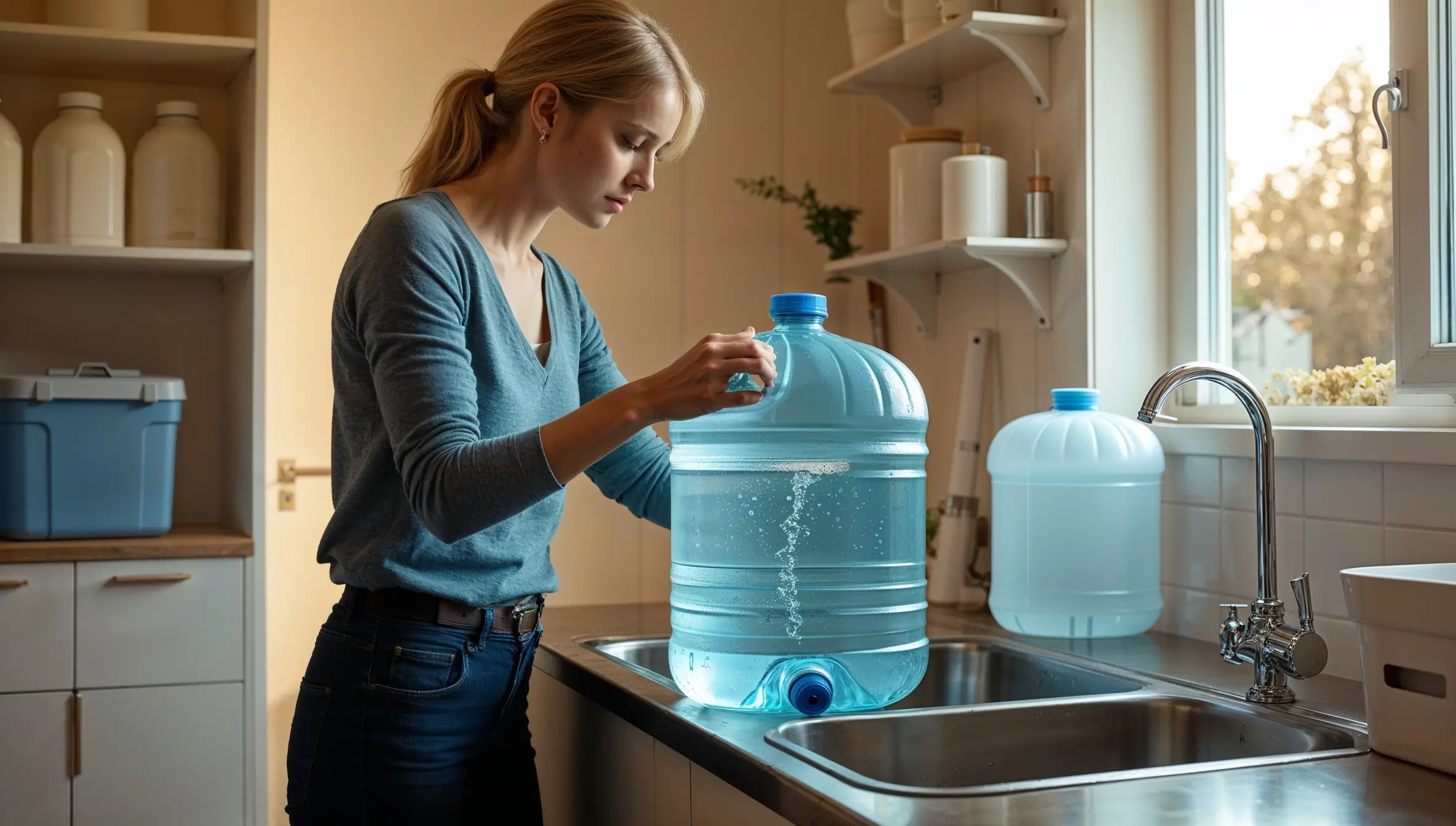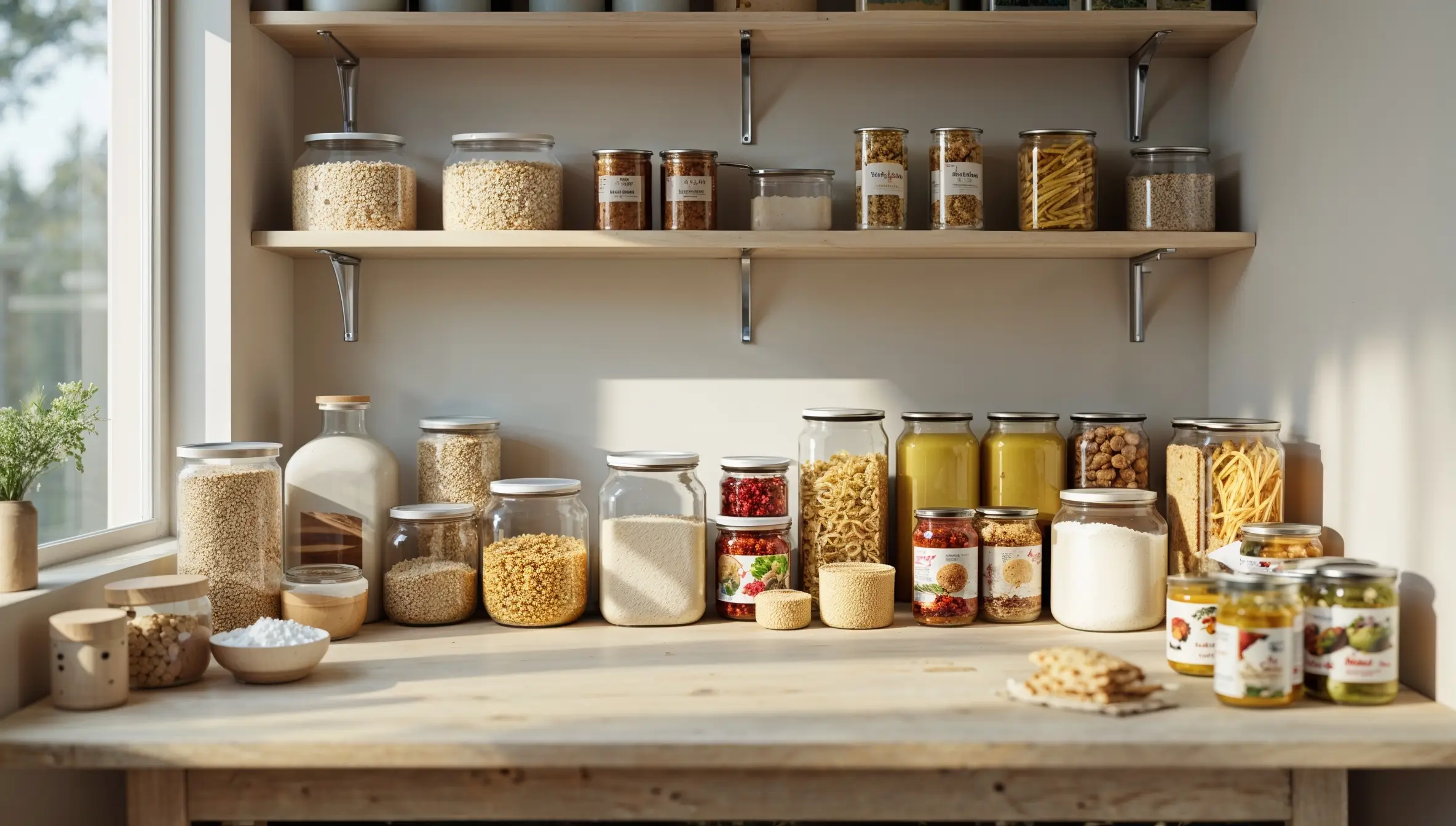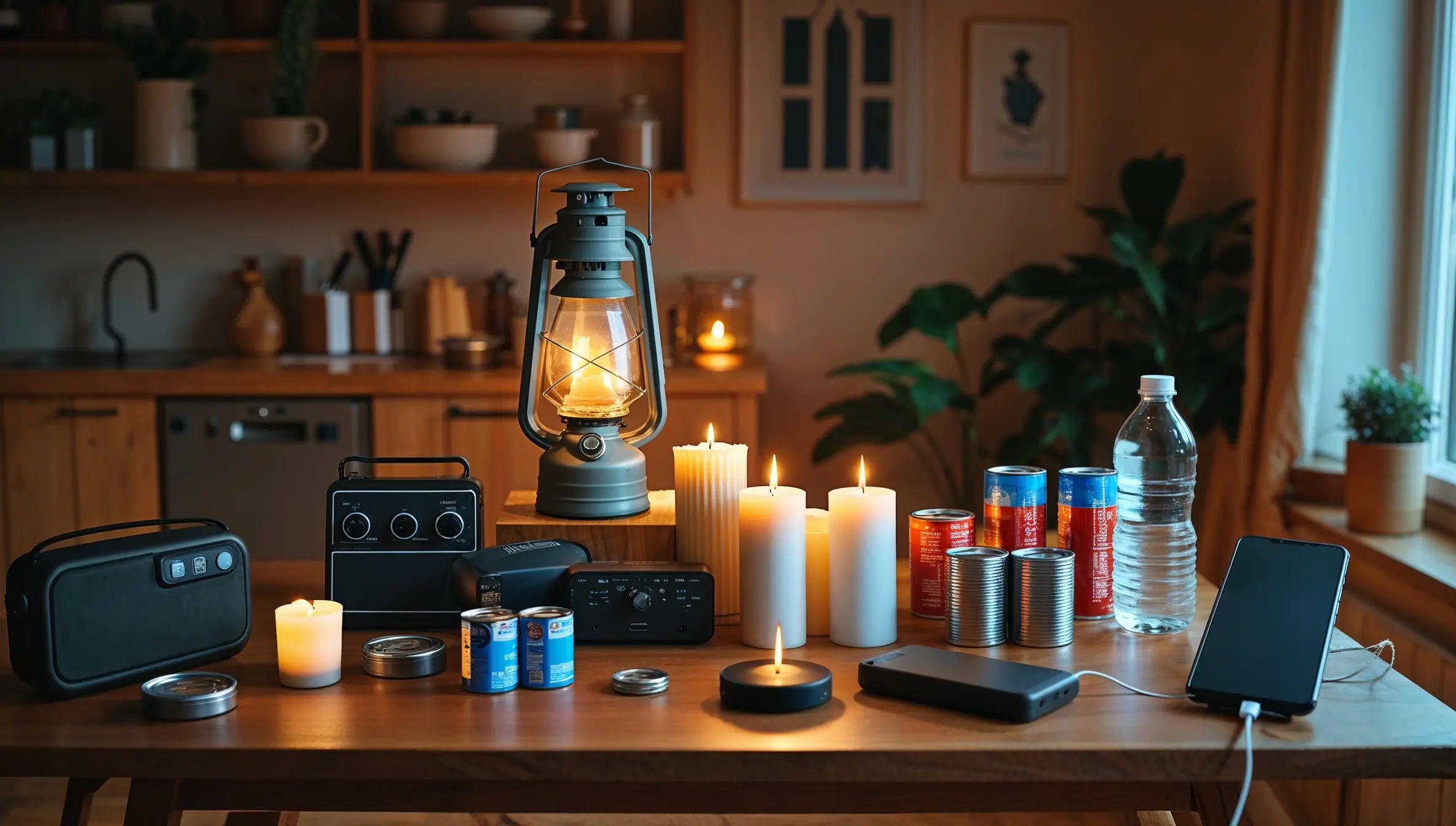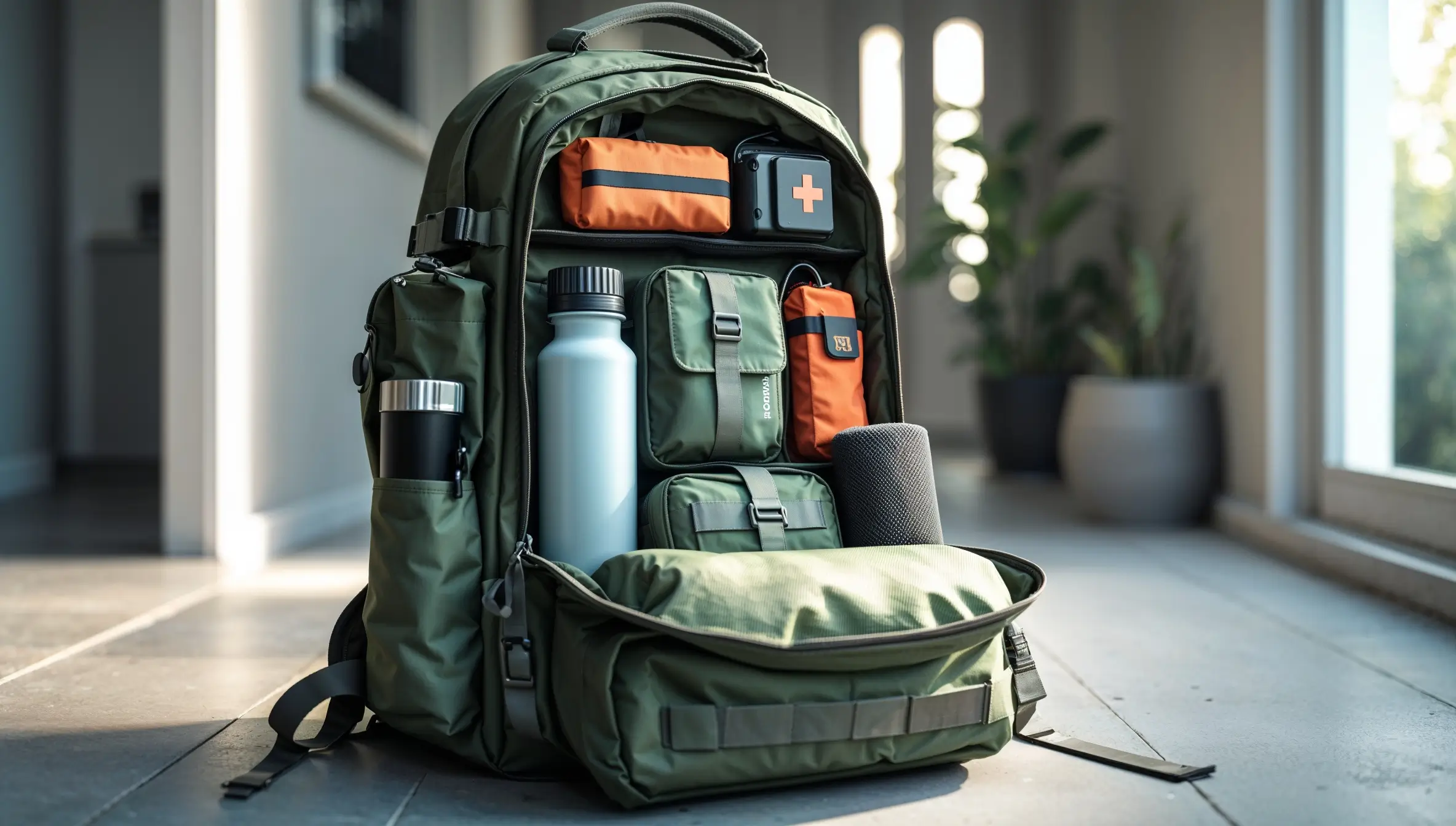
A pre-packed bag makes it easier to react fast. Here's a practical packing list for 24–72 hours.
Why a grab bag matters
Imagine being told to leave your home in fifteen minutes. A wildfire closing in, a chemical spill nearby, or a severe flood warning — these situations happen, and when they do, there's no time to wander through the house wondering what to take. A grab bag (sometimes called a go-bag or bug-out bag) is simply a pre-packed bag that contains everything you need to get through the first 24 to 72 hours away from home. It sits ready so you can pick it up and walk out the door.
The idea isn't dramatic. It's the same logic as keeping your passport in a known spot before a trip. You think ahead when you're calm, so you don't have to think under pressure. Emergency services across Scandinavia and beyond consistently recommend that every household keeps one. It's one of the simplest and most effective things you can do for your own safety.
Who needs one
The short answer: every household. Whether you live alone, with a partner, or with a large family, having at least one ready bag per adult dramatically improves your ability to respond when something goes wrong. If you have older children, consider giving them a smaller version of their own — it builds awareness and means less weight for you.
Think about the specific people in your household. A family with an infant has very different needs than a retired couple. Someone with a chronic health condition needs specific medications. A household with a dog needs to plan for the dog too. The template is universal, but the details should be personal. Start with the basics and layer on what your household actually requires.
The essentials: what goes in
At its core, the bag needs to cover hydration, nutrition, warmth, light, communication, and documentation. Start with water — one to two liters per person gets you through the first day, and you can refill along the way. Pack calorie-dense food that doesn't need cooking: nuts, energy bars, dried fruit, and chocolate all work well. Avoid anything that needs a can opener or preparation time.
A good flashlight with spare batteries is non-negotiable. When the power is out — and in an evacuation it often is — a reliable light source changes everything. Add a compact first-aid kit, a warm fleece or wool layer, and a lightweight rain jacket. Weather doesn't pause for emergencies.
Copies of important documents belong in the bag too: ID, insurance papers, medical records, and contact numbers. Put them in a waterproof zip-lock bag. Add some cash in small denominations — card terminals don't work without power or network. A phone charger and a power bank round out the communication side. A whistle, a sturdy knife or multitool, a pen, and a small notebook are easy to forget but surprisingly useful.
Finally, the basics of hygiene: a travel toothbrush, wet wipes, hand sanitizer, any prescription medication you take daily, and a few plastic bags for waste. It all fits in a standard 30- to 40-liter backpack without feeling overly heavy.
Personalizing for your household
The base list covers most adults, but real preparedness means thinking about who's actually carrying the bag. If you have a baby or toddler, add diapers, wipes, formula or baby food, a pacifier, and a change of clothes. Pack a comfort item like a small stuffed animal — stress is harder on little ones.
For elderly family members or anyone with health conditions, medication is the top priority. Keep a separate, clearly labeled pouch with at least three days' supply of prescription meds, plus written information about dosages. Spare glasses, hearing aid batteries, and mobility aids should be on your mental checklist too.
Pet owners should prepare a small kit: a leash, a portion of food, a water bowl, and any medication the animal needs. If you need to go to an emergency shelter, knowing that your pet's basics are covered makes a stressful moment significantly easier to manage.
Where to store it
The best bag in the world is useless if it's buried under winter clothes in the attic. Store your grab bag somewhere accessible — near the front door, in a hallway closet, or just inside the garage. Everyone in the household should know exactly where it is. If you have multiple exits, consider which one you'd most likely use and place the bag accordingly.
Some people keep a second, lighter version in the car. That covers the scenario where you can't get home before evacuating. It doesn't need to be as complete — water, a blanket, snacks, a flashlight, and copies of documents will do. The point is coverage, not perfection.
Maintenance: keep it current
A grab bag isn't a set-and-forget project. Food expires. Batteries drain. Medications pass their use-by date. Children outgrow clothes. Set a reminder to check your bag twice a year — a natural time is when the clocks change in spring and autumn.
During each check, rotate any food and water, test the flashlight and power bank, verify that documents are still current, and make sure medications haven't expired. It takes ten minutes and keeps the bag genuinely useful rather than just symbolically reassuring.
If your family situation changes — a new baby, a new pet, a new medication — update the bag right away instead of waiting for the next scheduled check. The bag should always reflect who lives in your home today.
The bag supplements — it doesn't replace
A grab bag is designed for the first hours and days when you're away from home. It doesn't replace broader home preparedness: stored water, food supplies, backup heating, and a communication plan. Think of it as one layer in a system. Your home supplies keep you comfortable if you're sheltering in place. Your grab bag keeps you safe if you have to leave.
The two work together. A well-stocked home means you can ride out most disruptions without going anywhere. A ready bag means that if the situation escalates beyond what staying home can handle, you're not starting from zero. Together, they cover the realistic range of what might happen.
Next step
Open Min Beredskap and log the contents of your emergency bag. The app tracks what you have, flags expiration dates, and reminds you when it's time for a maintenance check — so your bag is always ready when you need it.