Build a pantry with foods you actually eat. Start with rotation, smart shopping, and a realistic checklist.
You probably have more than you think
Before you buy a single extra can, take ten minutes to actually look at what's already in your kitchen. Open every cupboard, check the back of the fridge, peek into the freezer. Most households are genuinely surprised by what's there — half-forgotten bags of rice, a few cans of beans, some pasta, a jar of peanut butter, maybe a packet of crackers. It might not be a perfectly balanced menu, but it's a starting point, and it's already paid for.
This exercise matters because it shifts the mindset from "I need to build an emergency pantry from scratch" to "I need to fill a few gaps in what I already have." That's a much less overwhelming task, and it's the approach that actually works for most people. Grand plans to stockpile a month of food tend to fizzle after one expensive shopping trip. Small, steady improvements stick.
Stock what you eat, eat what you stock
The golden rule of a home pantry is deceptively simple: only store food your household actually eats on a regular basis. This isn't about buying freeze-dried survival rations or military MREs. It's about having a deeper version of your normal kitchen — enough that if you couldn't shop for a week, you'd eat a little more simply but never go hungry.
When you stock familiar foods, rotation happens naturally. You use a can of tomatoes for Tuesday's dinner and replace it next time you're at the shop. Nothing expires forgotten in the back of a shelf. The emergency supply and your everyday cooking overlap completely, which means zero waste and zero extra effort once you've built it up.
This also means your household will actually eat the food if an emergency does happen. Stress and disruption are not the time to introduce unfamiliar meals. Familiar comfort food is genuinely valuable when everything else feels uncertain.
What to stock: building a balanced pantry
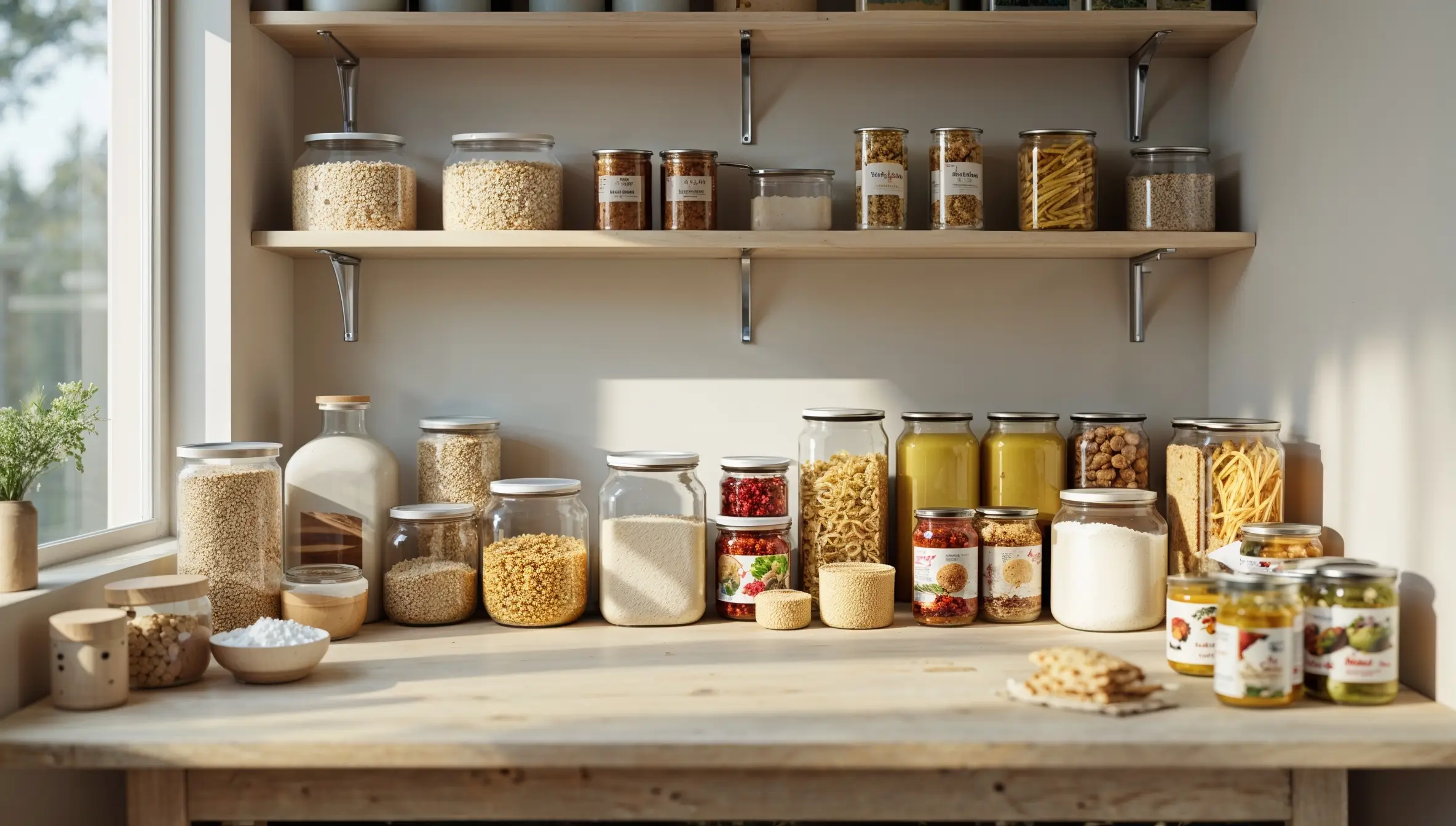
A well-rounded emergency pantry covers five categories. You don't need huge quantities of each — just enough variety to put together reasonable meals for several days.
Carbohydrates form the caloric backbone. Pasta, rice, oats, couscous, crackers, crispbread, and flour all store well and provide energy. Oats are especially versatile — porridge for breakfast, flapjacks for a snack, or mixed into soups to thicken them.
Protein keeps you full and functional. Canned beans, lentils, chickpeas, tuna, sardines, and other canned fish are affordable and last for years. Nuts and seeds add protein, healthy fats, and a satisfying crunch. UHT milk or powdered milk can round things out.
Fats are calorie-dense and essential for cooking. A bottle of cooking oil, a jar of peanut butter, and some butter or ghee cover most needs. Peanut butter in particular is a preparedness powerhouse — high calorie, high protein, no cooking required, and most people like it.
Flavor is the ingredient people forget, and it makes all the difference between meals you tolerate and meals you actually want to eat. Salt, pepper, a few dried spices, bouillon cubes, soy sauce, honey, and jam turn bland emergency food into something that feels normal. Don't underestimate how much morale matters during a stressful week.
Quick meals save time and fuel. Canned soups, stews, baked beans, ready-made pasta sauces, and instant noodles can be heated and eaten with minimal preparation. They're especially useful in the first days of an outage when you're busy managing other things.
Cooking without power
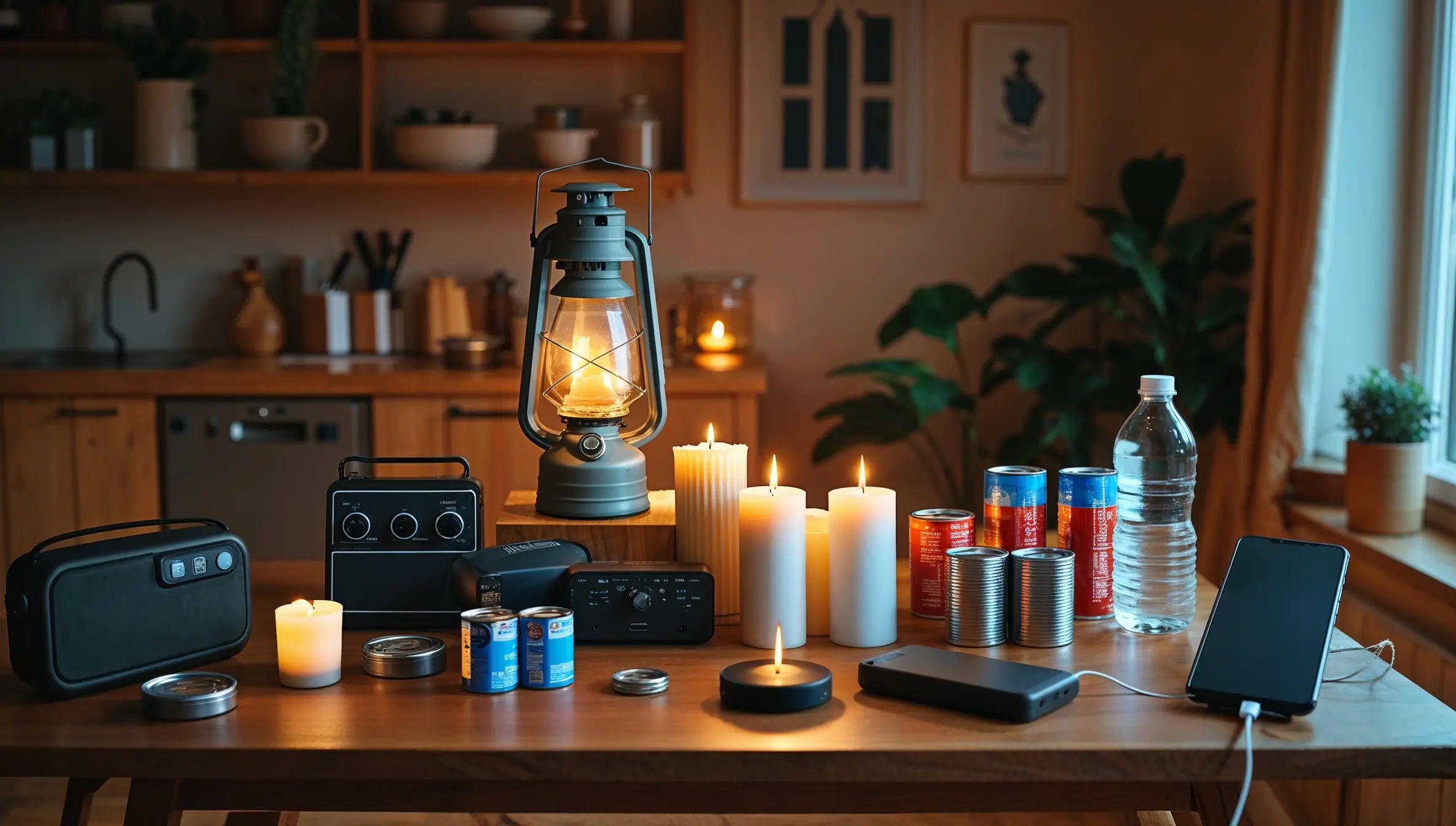
Having food on hand is only half the equation. If the power is out, your electric stove and microwave are useless, so it's worth thinking about how you'll actually prepare meals.
Start with no-heat options. Crackers topped with canned fish and a squeeze of lemon. A simple salad made from canned beans or lentils, a splash of oil, and whatever spices you have. Peanut butter on crispbread. Canned fruit for something sweet. None of these are gourmet, but they're filling, nutritious, and require nothing more than a can opener.
For hot meals, a portable gas burner (the kind used for camping) is the most practical backup for most households. A single gas canister lasts surprisingly long when you're just boiling water or heating a pot. Oatmeal with a drizzle of honey makes a warming breakfast. A can of stew heated through feels like a proper dinner. One of the simplest and most satisfying emergency meals is an improvised taco stew: a can of chickpeas, a can of diced tomatoes, a spoonful of taco seasoning or cumin, heated together in a pot and eaten with crispbread on the side.
Your freezer is an asset — use it wisely
A well-stocked freezer is a significant food reserve, but it needs a strategy when the power goes out. The key rule is simple: eat perishables first. Start with whatever's in the fridge — dairy, fresh vegetables, leftovers. Then move to the freezer contents, starting with items that thaw fastest (bread, pre-cooked meals, vegetables).
Keep the freezer door closed as much as possible. A full, well-packed freezer can stay cold enough to keep food safe for 24–48 hours without power, provided you're not opening it every hour to check. Every time you open it, you let warm air in and accelerate the thaw. Decide what you're taking out, open the door, grab it, and close it again.
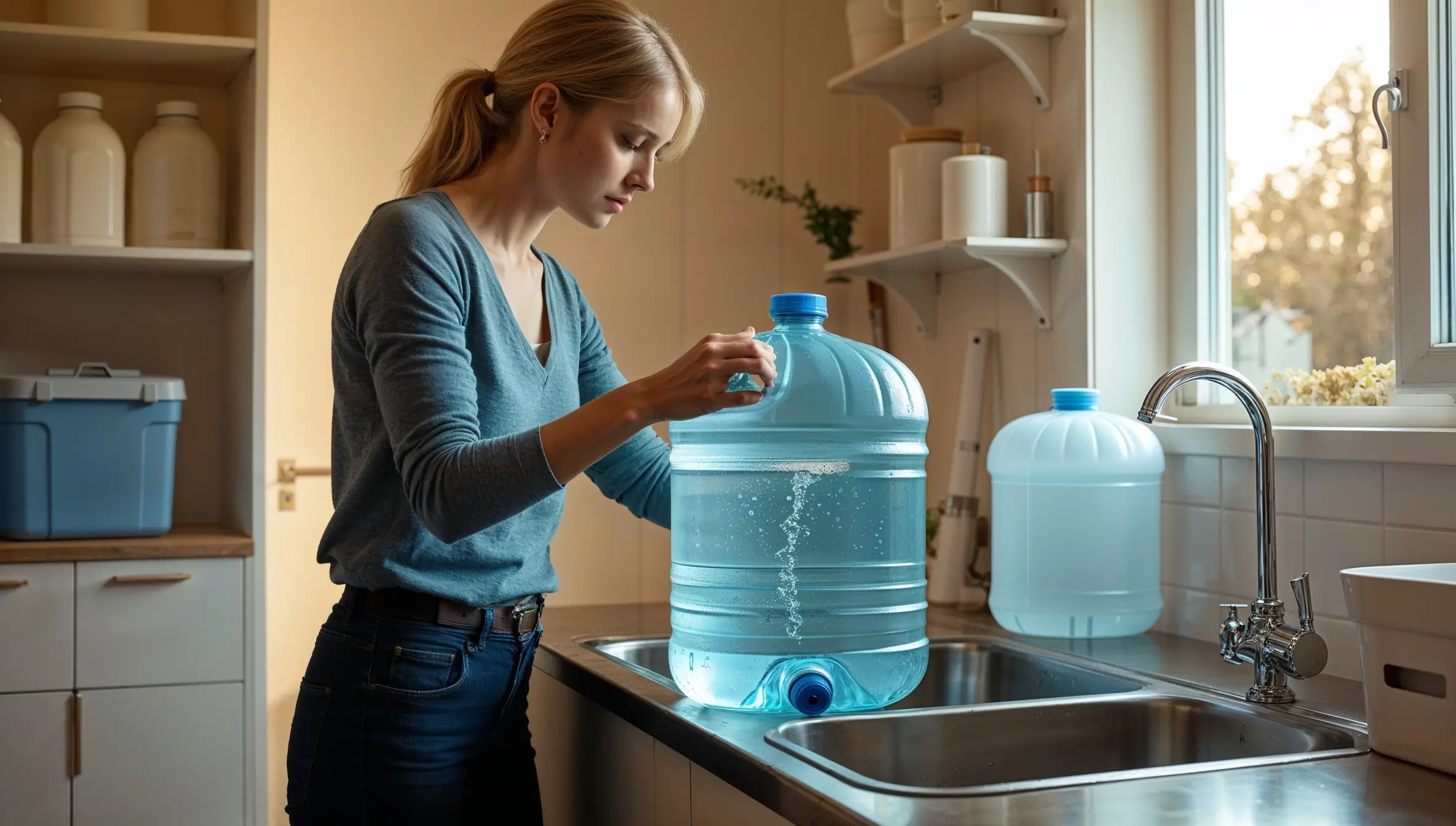
Frozen water bottles (from your water storage) do double duty here — they add thermal mass that helps the freezer stay cold longer, and as they melt, you get drinking water.
Building up on a budget
You don't need to spend a fortune in one go. The most sustainable approach is to add a few extra items to your regular shopping each week. Pick three to five shelf-stable products you use often — canned tomatoes, pasta, rice, beans, oats — and buy one extra of each when you shop. When something goes on sale, buy two or three extra instead of one.
Over the course of a month or two, this quiet accumulation adds up to a meaningful reserve without any single shopping trip feeling expensive. It's the difference between spending an extra 50–100 kroner per week versus trying to drop 1,500 kroner at once.
Keep a rough mental note of categories. If you realize you have plenty of carbs but almost no protein, focus your next few additions on canned fish or beans. Balance comes naturally when you're paying attention.
Rotation: the habit that makes it all work
The biggest risk with any home pantry isn't spoilage — it's forgetting what you have. The fix is a simple system called "first in, first out." When you put new cans or packets away, move the older ones to the front and place new items at the back. That way you naturally use the oldest stock first, and nothing sits long enough to expire.
For items where the expiry date isn't immediately visible — bags of rice, packets of oats, spices — write the purchase date on the package with a marker. It takes two seconds and saves you from ever wondering "how long has this been here?"
Every few months, take five minutes to scan your shelves. Pull out anything that's expired or close to expiring, and plan to use it up in the coming week's meals. Replace what you've used on your next shopping trip.
Next step
A solid pantry is one of the most reassuring things you can have at home, and it doesn't require a bunker mentality to build one. Use the Min Beredskap app to log what you already have, identify any gaps, and get practical suggestions tailored to your household's needs.