Canned goods, dry foods and freeze-dried meals — what lasts longest with the best nutrition?
Not all food ages the same way
When you start thinking seriously about building a household food reserve, it quickly becomes clear that not every item in your kitchen is created equal. A fresh loaf of bread might last three days. A jar of peanut butter, a year or two. A can of lentil soup could outlast your sofa. Understanding which foods naturally have long shelf lives — and which don't — is one of the most practical things you can learn for preparedness, because it lets you build a stockpile that genuinely works without constantly worrying about waste.
The underlying principle is straightforward: moisture, oxygen, and bacteria are what cause food to spoil. Any process that removes or blocks these factors — sealing, drying, canning, freeze-drying — dramatically extends how long food remains safe and nutritious. Once you understand that, the categories below start to make intuitive sense, and you can make smarter choices at the supermarket without needing a spreadsheet.
Canned goods: the gold standard
Canning has been keeping food safe since the early 1800s, and the technology has only improved. The process involves sealing food in an airtight container and heating it to a temperature that destroys harmful microorganisms. The result is a product that can sit on a shelf for years — typically two to five years according to the printed dates, but often much longer in practice.
Research conducted on canned goods recovered from decades-old shipwrecks and military depots has consistently shown that the food inside remained safe to eat, even if the taste and texture had declined somewhat. The best-before date on a can is about quality — flavour, colour, and vitamin content — not safety. As long as the can itself is in good shape (no bulging, no deep rust, no leaks), the contents are almost certainly fine.
The variety available in cans is enormous and worth taking advantage of. Canned vegetables and fruit provide vitamins and fibre. Canned fish — mackerel, sardines, tuna — is an excellent protein source that requires zero cooking and tastes perfectly fine straight from the tin. Canned meat, soups, and stews offer ready-made meals for situations where cooking is difficult. Even canned bread exists in some markets. When building your reserve, think about variety: a mix of proteins, vegetables, fruits, and ready-to-eat meals will serve you far better than fifty identical cans of beans.
Dry goods: affordable and versatile
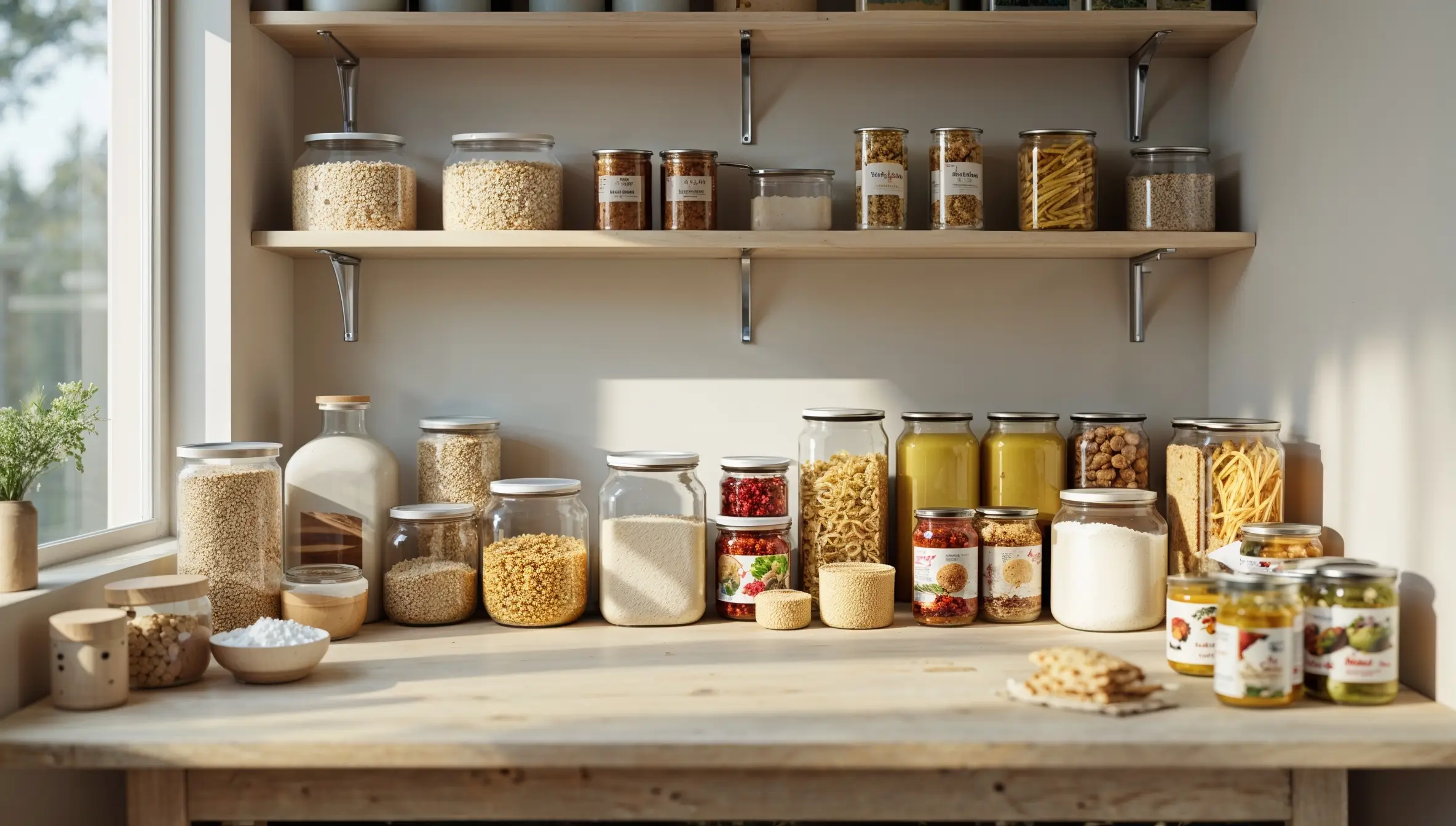
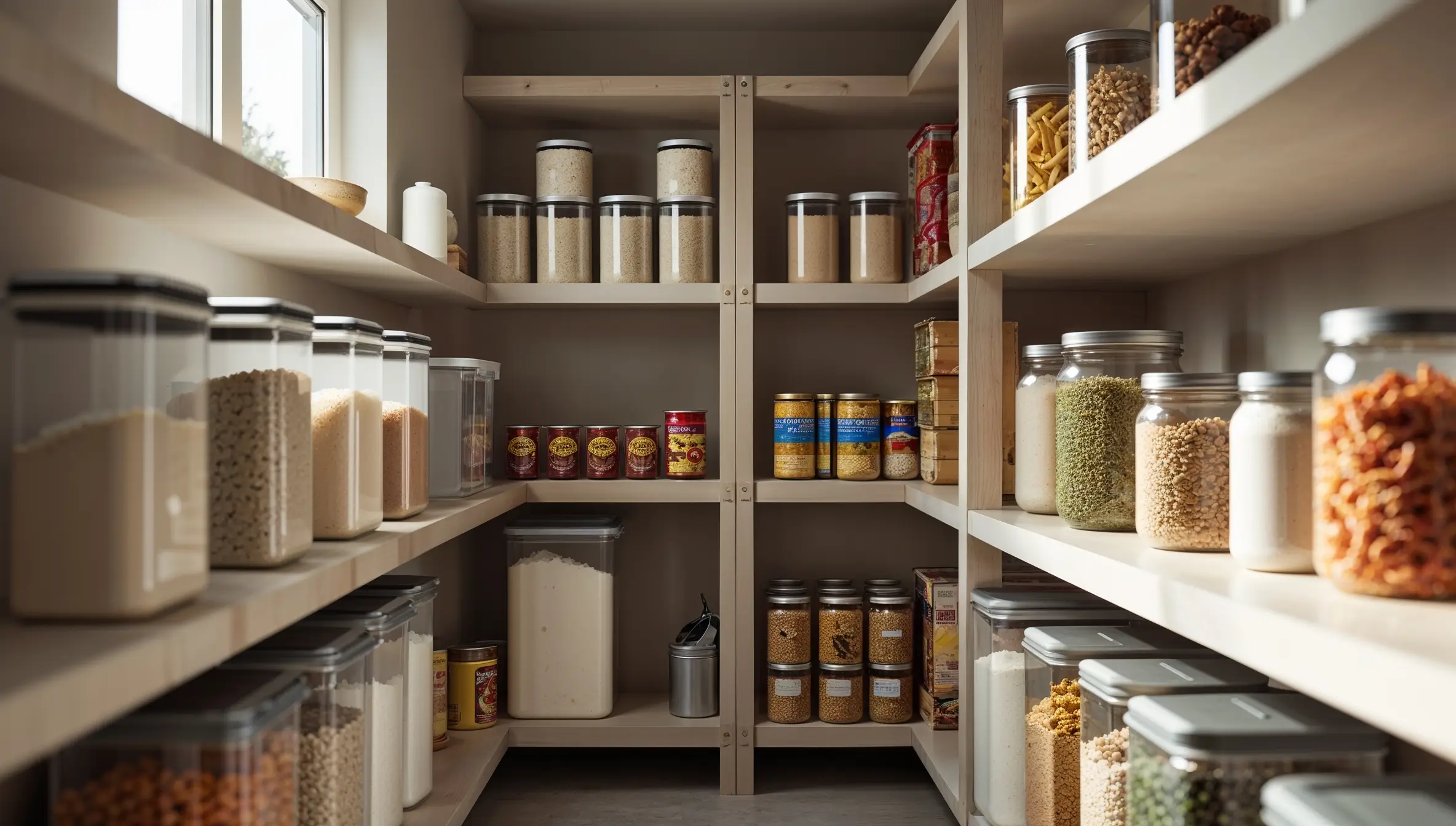
If canned food is the gold standard, dry goods are the workhorses. Rice, pasta, oats, lentils, dried beans, and flour form the backbone of most long-term food supplies around the world, and for good reason. They're cheap, calorie-dense, and when stored properly — cool, dry, and sealed against moisture and pests — they last comfortably for one to three years. White rice, in particular, can remain good for a decade or more if kept in airtight containers in a cool environment.
The key with dry goods is keeping moisture out. A bag of rice sitting open in a humid kitchen will attract mould and insects within months. The same rice transferred to a sealed food-grade bucket or vacuum-sealed bag and stored in a dark cupboard becomes a multi-year asset. You don't need expensive equipment — even reusing large glass jars with tight lids works well. Just make sure whatever container you choose closes firmly and keeps air exchange to a minimum.
Don't overlook crackers and crispbread in this category. They don't last as long as raw rice or beans — typically six months to a year — but they require absolutely no preparation, no water, and no heat. In a crisis where cooking is difficult, being able to open a packet of crispbread and top it with canned fish or peanut butter is genuinely valuable. Scandinavian-style knekkebrød is practically designed for this purpose.
Freeze-dried and dehydrated food
At the other end of the shelf-life spectrum sit freeze-dried and dehydrated products. Freeze-drying removes roughly 98 percent of a food's moisture content while preserving its cellular structure, which means it rehydrates well and retains most of its original nutrition, flavour, and texture. Commercially produced freeze-dried meals can last 15 to 25 years when packaged in sealed, oxygen-free pouches or cans.
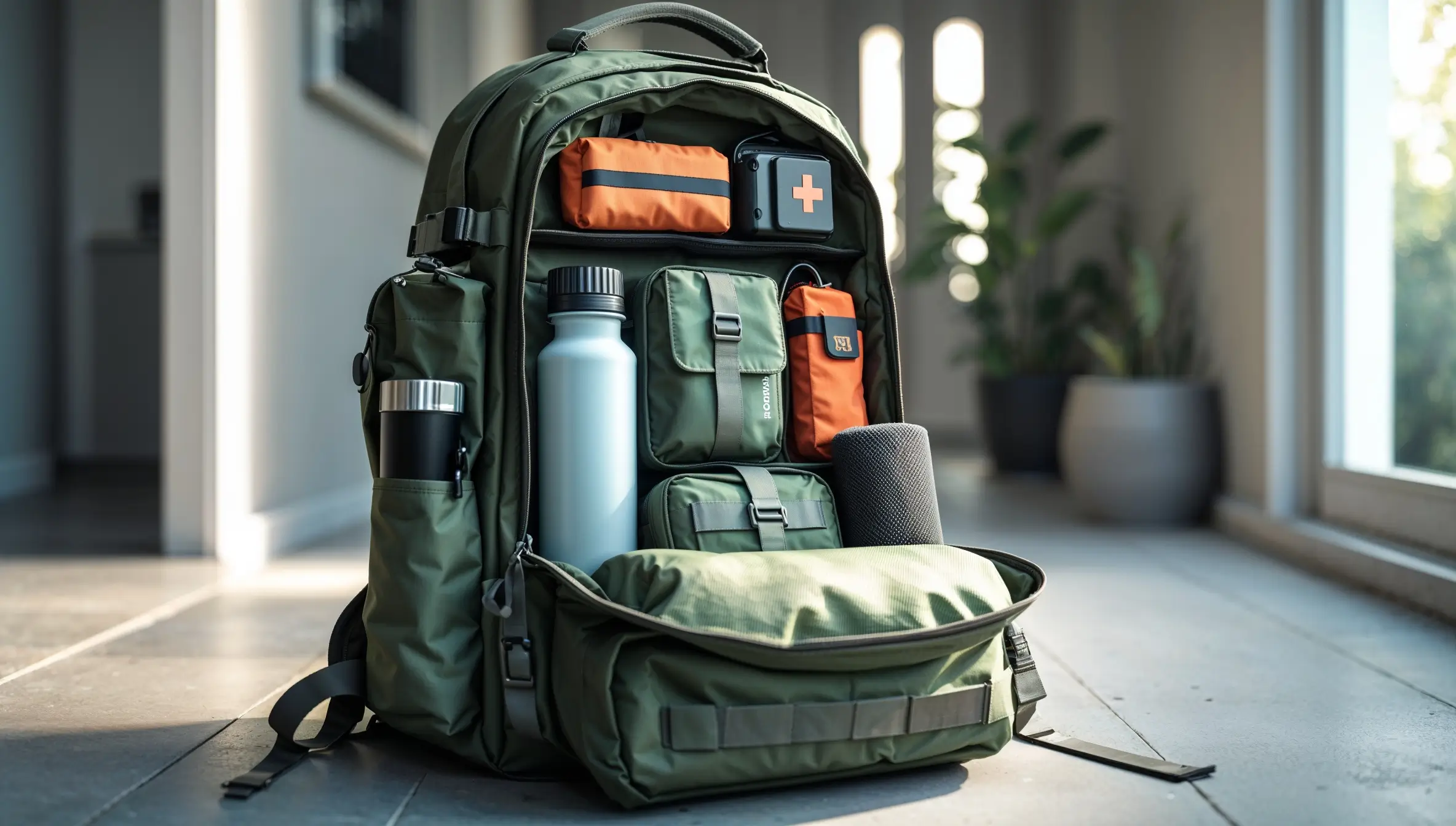
The trade-off is cost. Freeze-dried food is significantly more expensive per calorie than canned or dry goods, and it requires water to prepare — something you may be rationing in a crisis. That said, the weight savings are dramatic, which is why freeze-dried meals are a staple for hikers and why they make excellent grab-bag food. A few pouches tucked into your emergency kit give you lightweight, nutritious meals that take up almost no space.
Think of freeze-dried food as a supplement to your main stockpile, not a replacement for it. A few packages of freeze-dried vegetables, fruits, or complete meals add variety and nutrition to a reserve built primarily on canned and dry goods. They're especially useful for items that don't can or dry well on their own, like scrambled eggs, berries, or certain vegetables.
Condiments and flavour: the overlooked essentials
A stockpile that technically meets your calorie needs but tastes like cardboard is a stockpile that will drain morale in a hurry. Never underestimate the psychological importance of flavour during a stressful situation. A handful of well-chosen condiments and seasonings takes almost no space and transforms bland emergency meals into something you'll actually want to eat.
Salt is the obvious starting point — it literally never expires and is essential for both flavour and food preservation. Honey is another remarkable item: archaeologists have found edible honey in Egyptian tombs thousands of years old. It doesn't spoil, it's calorie-rich, and it serves as a natural sweetener and mild antiseptic. Bouillon cubes or powder, dried herbs and spices, soy sauce, and vinegar all have long shelf lives and punch well above their weight in the kitchen.
Cooking oil deserves a mention too, though with a caveat. Oil is essential for cooking and adds calories, but it has a shorter shelf life than most other pantry staples — typically six months to a year once opened, longer if sealed and stored cool. Buy modest quantities, use and rotate it as part of your normal cooking, and you'll always have a reasonably fresh supply on hand.
Crisis cooking: meals with no kitchen
It's worth thinking ahead about what you can actually prepare when the power is out and you're trying to conserve fuel. Some of the best emergency meals require no cooking at all. Crispbread topped with canned mackerel, a squeeze of mustard, and some pickled vegetables is a genuinely satisfying meal. A bean salad made from drained canned chickpeas, canned corn, a splash of vinegar, and a pinch of salt needs nothing but a bowl and a spoon.
When you do have some heat available — a camping stove, a gas burner, even a candle stove — simple hot meals go a long way for comfort. Oatmeal made with water takes only a few minutes of fuel and fills you up for hours. A can of stew heated and served with flatbread or crackers feels like a proper dinner. One of the most versatile improvised meals is a quick chickpea stew: a can of chickpeas, a can of diced tomatoes, a spoonful of bouillon, and whatever dried herbs you have, simmered for ten minutes. It's warm, nutritious, and surprisingly good.
Planning a few of these no-cook and low-cook meals in advance means you won't be standing in a dark kitchen during a power outage trying to figure out what to make. Write a few ideas on a card and keep it with your supplies.
Storage conditions and best-before dates
Where you store your food matters almost as much as what you store. Heat, light, and moisture are the three enemies of shelf life. A can of tomatoes stored in a cool, dark basement will last years longer than the same can left on a sunny kitchen shelf. Aim for a consistent, cool temperature — ideally below 20°C — and keep things away from direct sunlight and any source of moisture or chemical fumes.
Best-before dates deserve a more nuanced understanding than most people give them. In most countries, including Norway, the best-before date indicates the manufacturer's estimate of when the product will start to decline in quality — taste, texture, colour, vitamin content. It is emphatically not a safety deadline. Canned and dry goods are almost always safe well beyond the printed date, assuming the packaging is intact. Use your senses: if it looks normal, smells normal, and tastes normal, it almost certainly is normal.
That said, damaged packaging changes the equation. A can that's bulging, leaking, or deeply dented (especially along the seam) should be discarded. Bloating in a sealed package is a sign of bacterial activity and gas production — don't taste-test it, just throw it away. For dry goods, any sign of mould, insect activity, or an off smell means the product should go.
Building your stockpile without breaking the budget
You don't need to order a pallet of survival food online to have a solid reserve. The most sustainable approach is to build gradually by buying a few extra items each time you shop. If pasta is on sale, grab two extra bags. Next week, add a couple of cans of tomatoes. The week after, a bag of rice and some canned fish. Within a couple of months, you'll have a meaningful buffer without having spent any large lump sum.
The single most important rule for building a stockpile is to store what you actually eat. There's no point buying 20 cans of a soup variety you've never tasted. Your emergency food should be a deeper version of your everyday pantry — the same meals and ingredients, just more of them. This makes rotation natural: you cook from your stockpile as part of daily life and replace what you use. Nothing expires forgotten at the back of a shelf.
Keep a simple inventory. It doesn't need to be elaborate — a list on the inside of a cupboard door, a note on your phone, or a tracking tool in an app. What matters is that you know roughly what you have, what's getting old, and what you need to replenish. Over time, maintaining a well-stocked pantry becomes second nature, and the peace of mind it provides is well worth the small effort.
Next step
A solid food reserve is one of the pillars of household preparedness, but it works best alongside safe water storage, basic first aid supplies, and a plan for warmth and light. Use the Min Beredskap app to see your overall readiness, identify gaps, and get prioritized suggestions for what to focus on next.